Organic fertilization
Worm leachate: what it is, how it is made, and how to use it correctly
Worm leachate is a dark liquid that can come out of a vermicompost bin when water passes through the organic material, humus, and bedding where the worms live. Properly managed and properly diluted, it can help improve soil life and support plant growth. Poorly managed, it can smell bad, ferment excessively, and even damage roots.
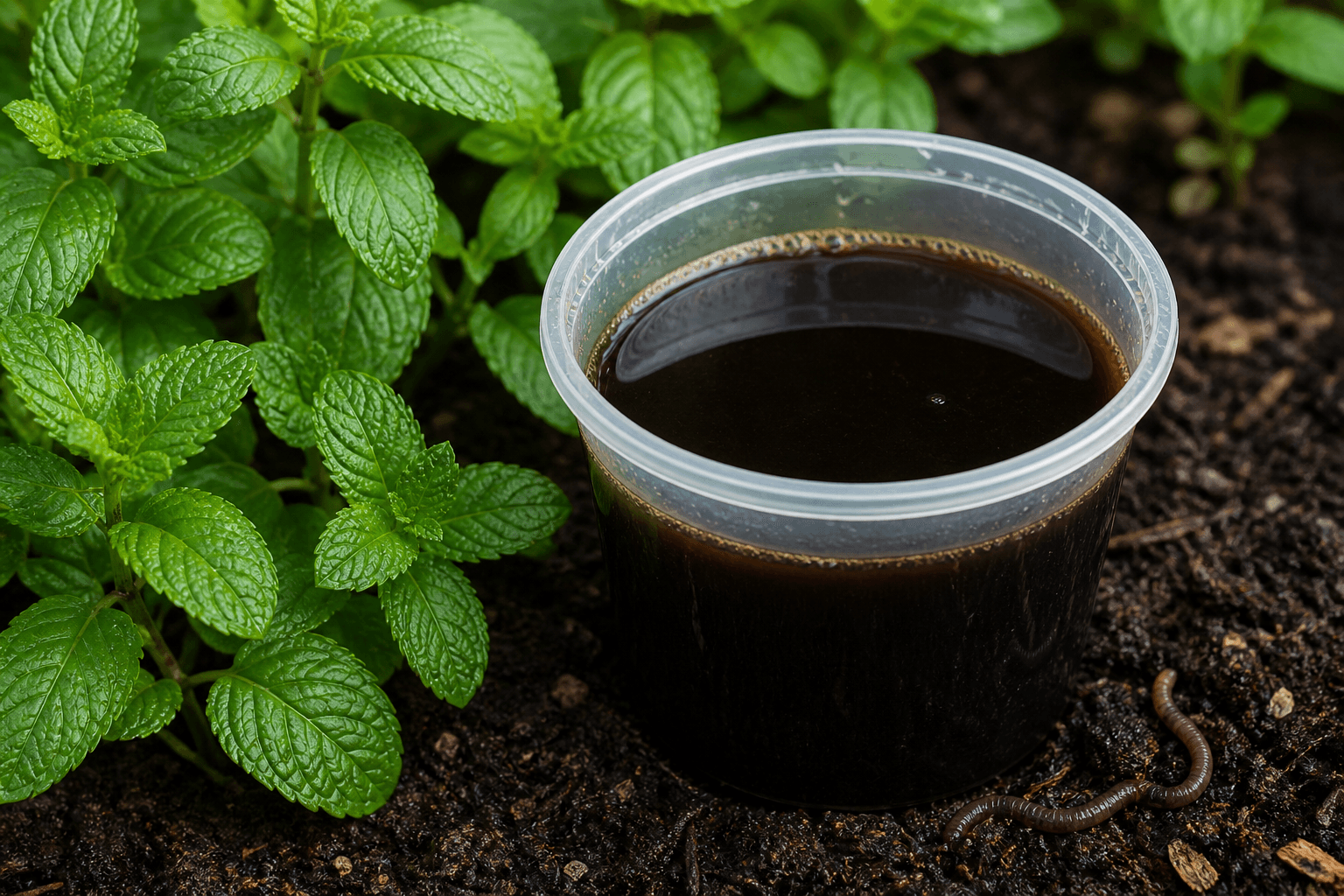
First: do not confuse leachate with worm tea
This is important. Many people call any dark liquid coming from a vermicompost bin “worm tea,” but it is not exactly the same thing.
Leachate is the liquid that naturally drains when there is excess moisture and water carries soluble compounds from decomposing material. It may contain nutrients, but it may also contain unwanted substances if the system is too wet, lacking oxygen, or has rotting food.
Aerated worm tea is prepared separately, using mature worm humus, chlorine-free water, oxygen, and sometimes a minimal food source for microorganisms. That process is more controlled.
In simple terms: leachate can be useful, but it must be used more carefully. It is not applied pure and should not be stored for months as if it were a stable commercial product.
What is worm leachate?
It is a concentrated liquid formed when water passes through a worm bed, organic scraps, microorganisms, and humus. Its color is usually dark brown or almost black. It may contain soluble nutrients, humic acids, fulvic acids, enzymes, and microorganisms.
It should not be viewed as a “magic fertilizer.” It is a supplement. The foundation of a healthy plant is still good soil, good drainage, organic matter, correct light, and proper watering.
How is it produced?
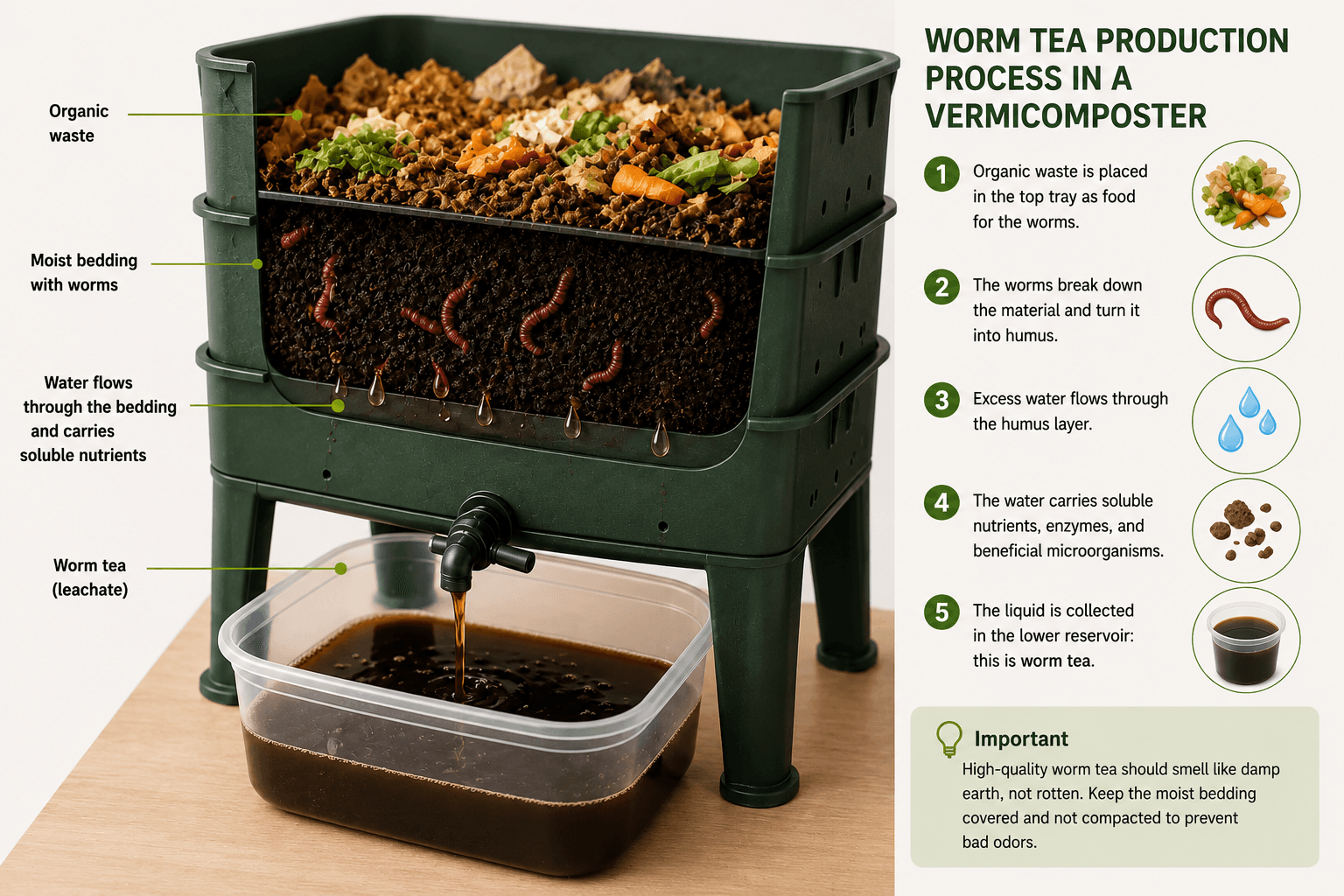
Leachate appears when there is moisture in the vermicompost bin. Part of the water moves downward by gravity, passes through the organic material, and ends up exiting through the lower drain.
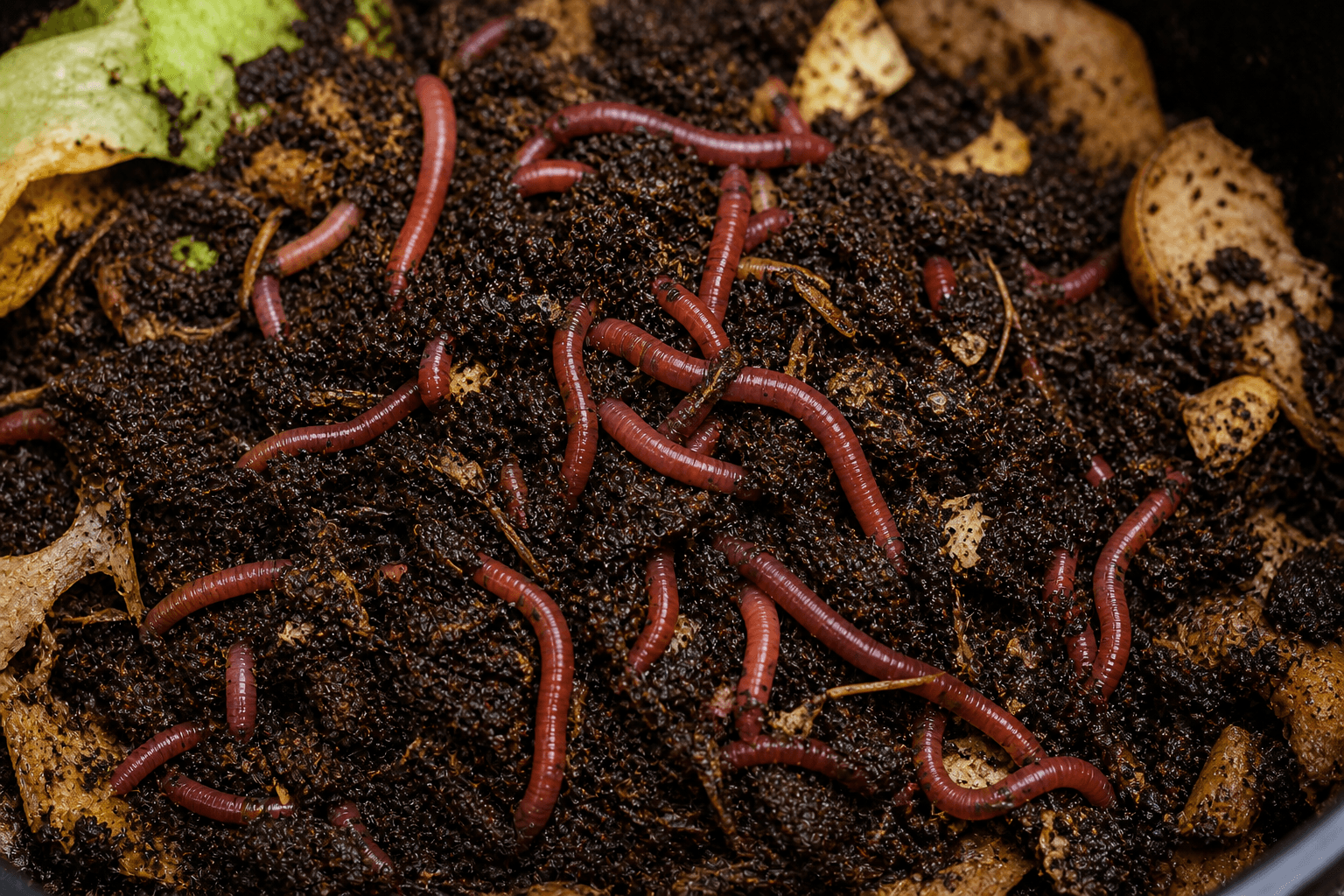
Normal production
A small amount of liquid comes out, without strong bad odor, dark in color, and the worm bedding stays moist but not soaked.
Problematic production
Too much liquid comes out, it smells sour or rotten, there are flies, slimy food, or lack of oxygen. That leachate should not be applied to plants.
How to make worm leachate at home
The correct way is not to flood the vermicompost bin to extract more liquid. That is a common mistake. The main goal should be producing good humus; leachate is a byproduct, not the main product.
1. Use a vermicompost bin with drainage
You need a container with holes or a drainage valve on the lower part. Underneath there should be a tray or container to collect the liquid.
2. Prepare proper bedding
Use cardboard without glossy ink, paper without chemicals, coconut fiber, dry leaves, or similar dry material. The bedding should be moist like a squeezed sponge, not dripping water.
3. Add red wiggler worms
The most commonly used are red composting worms. They are not the same as any backyard worm. They work better in surface organic matter and in moist, cool, oxygen-rich environments.
4. Feed little by little
Add fruit peels, vegetables, small amounts of coffee grounds, leaves, and plant scraps. Avoid meat, grease, dairy, cooked food with oil, excess citrus, and very salty foods.
5. Control moisture
If the bedding is too wet, add dry cardboard or dry fiber. If it is too dry, spray chlorine-free water little by little. Moisture balance is what prevents bad odors.
6. Collect the liquid
If leachate comes out, collect it in a clean container. Use it quickly, preferably the same day or within 24 to 48 hours. The longer you store it, the more its microbiology changes.
What components can it contain?
The exact composition changes depending on what the worms eat, the moisture, temperature, oxygen level, and humus maturity. Not all leachates are the same.
Macronutrients
It may contain nitrogen, phosphorus, and potassium in varying amounts.
Micronutrients
It may provide iron, zinc, manganese, copper, boron, and other elements in small amounts.
Humic and fulvic acids
They help improve nutrient availability and soil activity.
Microorganisms
It may contain bacteria, fungi, and other beneficial organisms, as long as the system is healthy and oxygenated.
What is it used for?
Properly managed leachate can help activate microbial life in the soil, improve nutrient absorption, and support plants that are actively growing. It does not replace good compost or complete fertilization if the soil is poor.
It can be used on vegetables, herbs, ornamentals, young fruit trees, and potted plants. It works best when applied to living soils, with organic matter and good drainage.
Main benefits
Improves biological activity in the soil.
May stimulate root growth.
Helps recycle organic nutrients.
Supports plants during growth stages.
May improve overall vigor if used correctly.
Reduces dependence on synthetic fertilizers.
How to use it correctly
The main rule is simple: never apply it pure. It is concentrated, variable, and can burn roots or damage leaves if it is too strong.
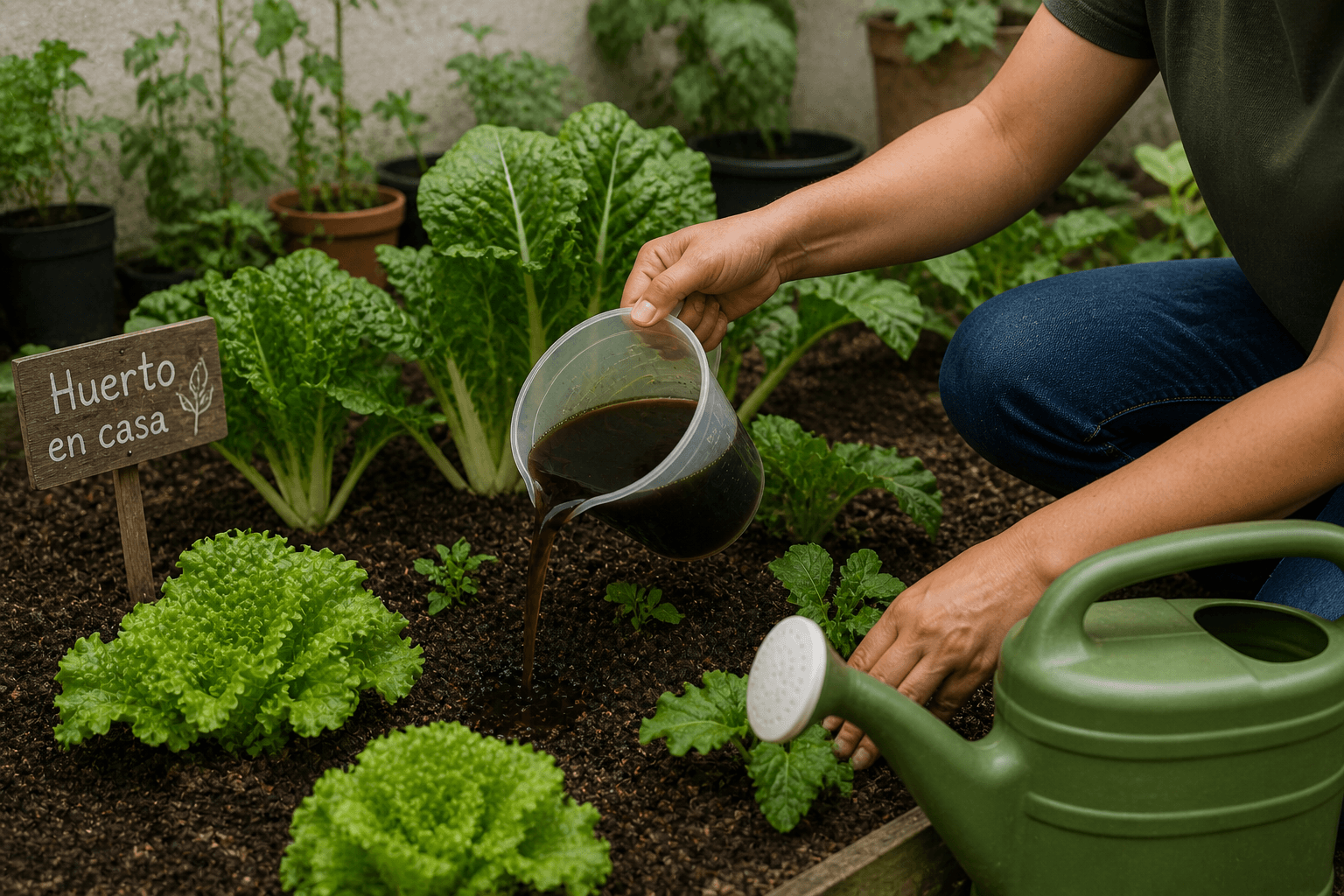
Soil application
Dilute 1 part leachate in 10 parts water. Apply around the plant, not directly against the stem.
Foliar application
Use a lighter dilution: 1 part leachate in 20 parts water. Spray at sunset or early in the morning.
For delicate plants, seed trays, or newly transplanted plants, use a lighter dilution: 1 part leachate in 20 or 30 parts water. It is better to start light than overdo it.
Important warning
If the leachate smells rotten, strongly acidic, like sewage, or aggressively fermented, do not use it on leaves or delicate plants. That smell usually indicates lack of oxygen or anaerobic decomposition. In that case, dilute it heavily and use it in a compost pile, or discard it away from sensitive plants.
How often to apply it
For growing plants, one application every 2 to 4 weeks is enough. More is not always better. If you apply too much, you may unbalance the substrate, attract mosquitoes, or create excess moisture.
In pots, use smaller amounts because the soil volume is limited. In direct soil you can apply a little more, always diluted and observing how the plant responds.
How to know if it is good
Good signs
Dark brown color, smell of damp soil, little foam, no offensive odor, and no larvae or obvious rot.
Bad signs
Strong sour smell, rotten smell, slimy liquid, flies, fermented food, or worm bedding that is too wet.
Common mistakes
Using it pure
This is the most common mistake. Even if it is organic, it may be concentrated. Organic does not automatically mean safe in any quantity.
Storing leachate for too long
It is a biologically active liquid. If you store it too long without aeration, it can change, ferment, and lose quality.
Flooding the vermicompost bin to extract more
That harms the worms. A healthy vermicompost bin should be moist, not soaked. If too much liquid comes out, there is probably excess water.
Applying it under full sun
If you apply it on leaves under strong sunlight, you may stain or burn the plant. Better early in the morning or at sunset.
Practical summary
What it is: liquid drained from a vermicompost bin.
Normal color: dark brown or black.
Main use: supplement for soil and plants.
Soil dilution: 1 part in 10 parts water.
Foliar dilution: 1 part in 20 parts water.
Frequency: every 2 to 4 weeks.
Do not do: apply it pure.
Do not use: if it smells rotten or strongly fermented.
Conclusion
Worm leachate can be a useful tool within a home garden, but it must be properly understood. It is not magic, it does not replace good soil, and it should not be applied without dilution. Its value lies in providing soluble compounds, microbial life, and biological support to the soil when it is produced in a healthy system.
If you are going to start, keep the vermicompost bin balanced, avoid excess water, collect small amounts of leachate, use it fresh, always dilute it, and observe how your plants respond. That is the correct way to use it without improvising or damaging the crop.